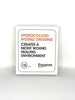
Four Wound Care Categories Worth Knowing
, by Ali Safiedine , 4 min reading time
, by Ali Safiedine , 4 min reading time
Hydrogel, hydrocolloid, alginate, and collagen dressings—explore your options with Purpose.
Walk into a busy medical practice, and you’ll find that wound care involves more than selecting a dressing. There are product specifications to review, supplies to replenish, costs to manage, and patients with different needs.
For the clinical team, the priority is choosing appropriate care. For the purchasing team, the challenge is making sure the requested products are available without letting supply expenses get overlooked.
Those responsibilities meet at the supply shelf.
At Purpose Medical Supply, we recently received hydrogel, hydrocolloid, alginate, and collagen dressings. We’re putting these categories in the spotlight to help practices become more familiar with their options and take a fresh look at purchasing.
We also offer very competitive pricing. If your practice orders wound care products regularly, we welcome the opportunity to quote your next order.
Hydrogel dressings are water-rich products. Their defining characteristic is their ability to contribute moisture to the wound environment. That makes them a different category from products primarily designed to absorb substantial drainage.
For purchasing teams, the practical lesson is simple: the word “dressing” does not tell you enough about a product’s function. A hydrogel product should not be treated as an automatic substitute for an absorbent dressing simply because both appear under wound care. Formulation, format, and manufacturer instructions matter. pmc.ncbi.nlm.nih.gov
When your team requests hydrogel, capture the exact product details before ordering. Is the request for a particular format? What package size is needed? Does the clinician require a specific manufacturer or formulation?
Clear answers make the quote more useful and reduce the chance of ordering something the clinical team did not intend to use.
Hydrogel and hydrocolloid sound alike, but they are distinct dressing categories.
Hydrocolloid dressings contain materials that interact with wound fluid to form a gel. Their construction and backing differ from water-rich hydrogel products. These differences are a good reason to avoid relying on similar names when selecting or reordering supplies. pmc.ncbi.nlm.nih.gov
For an office manager comparing options, the next questions are about the exact product: its dimensions, shape, adhesive border, package quantity, and labeled use.
A clinician may request a specific size or construction for a reason. Recording those requirements in your purchasing list helps preserve that intent when someone else places the next order.
Alginate dressings are known for their absorbency and their ability to form a gel when they interact with wound fluid. Products can differ in composition and may combine alginate with other materials. pmc.ncbi.nlm.nih.gov
That variation matters when comparing prices. Two products described as “alginate” may have different dimensions, formulations, or package quantities.
Start with the item your clinical team currently uses. Record its manufacturer, item number, size, and units per box. Then use that information when requesting a quote.
If you are interested in alternatives, identify that separately so your clinical team can review the specifications before any substitution is made.
Collagen dressings also deserve a closer look at the individual product level. Some wound dressings combine collagen with other materials, including alginate. A category label alone does not establish that two products are equivalent. accessdata.fda.gov
Before purchasing, confirm the exact formulation and review the manufacturer’s labeling, including applicable precautions and sensitivities.
For the purchasing team, this means keeping a complete product description rather than an abbreviated entry such as “collagen, one box.” The more precise your supply list, the easier it is to obtain a meaningful comparison.
A useful wound care purchasing list does not need to be complicated. Start with these details:
Keep the list where both clinical and administrative staff can access it. When a clinician approves a product change, update the list so the next order reflects that decision.
This small habit can make purchasing less dependent on one person’s memory and help new staff understand exactly what the practice needs.
Your clinical team determines which products are appropriate for patient care. Purpose can help you explore the purchasing side with product information and competitive pricing.
Send us your current wound care list—or start with a few frequently ordered items. Include product names, item numbers, sizes, and quantities so we can review your request.
Whether you’re replenishing hydrogel, reviewing hydrocolloid options, or requesting pricing on alginate and collagen dressings, we would welcome the opportunity to earn your business.
Shop: ShopPurposeSupply.com
Email: customerservice@purposevet.com

Sign up for product updates and supply information.